When To See New Growth On Your Woody Hydrangeas
When to See New Growth on Your Woody Hydrangeas
Hydrangeas are beautiful flowering shrubs that can add a touch of elegance to any garden. But if you're not sure when to expect new growth on your woody hydrangeas, you may be wondering if something is wrong.
The good news is, there's no need to worry. In most cases, woody hydrangeas will start to show new growth in the spring, after the last frost. However, the exact timing of new growth can vary depending on the type of hydrangea you have, the climate you live in, and the conditions your hydrangea is growing in.
In this blog post, we'll take a closer look at when to expect new growth on your woody hydrangeas. We'll also discuss some of the factors that can affect the timing of new growth, and what you can do to encourage your hydrangeas to bloom.
What Types of Hydrangeas Bloom on Woody Branches?
There are two main types of hydrangeas: those that bloom on old wood and those that bloom on new wood. Woody hydrangeas are the ones that bloom on old wood. This means that the flower buds are formed on the previous year's growth. When spring arrives, these buds will open and bloom.
Some of the most popular woody hydrangeas include:
- Bigleaf hydrangeas (H. macrophylla)
- Oakleaf hydrangeas (H. quercifolia)
- Smooth hydrangeas (H. arborescens)
- Mountain hydrangeas (H. serrata)
When to Expect New Growth on Woody Hydrangeas
The timing of new growth on woody hydrangeas can vary depending on the climate you live in. In general, you can expect to see new growth in the spring, after the last frost. However, if you live in a warm climate, you may see new growth as early as winter or early spring.
In cooler climates, you may not see new growth until later in the spring. This is because the hydrangeas need to warm up enough before they will start to grow.
Factors That Affect the Timing of New Growth
There are a few factors that can affect the timing of new growth on woody hydrangeas. These include:
- Climate: As mentioned above, the climate you live in can have a big impact on the timing of new growth. In warmer climates, you can expect to see new growth earlier in the year.
- Soil: Hydrangeas prefer well-drained, acidic soil. If your soil is too alkaline, it can inhibit new growth.
- Fertilizer: Hydrangeas need regular fertilization to thrive. If you don't fertilize your hydrangeas, they may not produce as much new growth.
- Pests and diseases: Pests and diseases can also damage hydrangeas and prevent them from growing properly. If you notice any signs of pests or diseases, be sure to treat them immediately.
How to Encourage New Growth on Woody Hydrangeas
If you want to encourage new growth on your woody hydrangeas, there are a few things you can do. These include:
- Plant your hydrangeas in a location that receives full sun or partial shade.
- Amend your soil with peat moss or other acidic materials to create a more favorable growing environment.
- Fertilize your hydrangeas regularly with a fertilizer specifically designed for hydrangeas.
- Water your hydrangeas regularly, especially during hot, dry weather.
- Monitor your hydrangeas for pests and diseases and treat them promptly if necessary.
By following these tips, you can encourage your woody hydrangeas to produce lush new growth and beautiful flowers.
Woody hydrangeas are a beautiful and versatile type of shrub that can add a touch of elegance to any garden. They are known for their large, showy flowers that can range in color from white to pink to blue. Woody hydrangeas are also relatively easy to care for, making them a good choice for even novice gardeners.
If you are interested in learning more about woody hydrangeas, I suggest visiting the website . This website has a wealth of information on all aspects of woody hydrangea care, including planting, watering, fertilizing, and pruning. You can also find photos and articles about different varieties of woody hydrangeas.
FAQ of woody hydrangea
Question 1: What are the buds on old wood hydrangea?
Answer: The buds on old wood hydrangea are produced on the stems that grew the previous year. These buds will bloom in the spring and summer. If you prune the old wood hydrangea too heavily, you may remove the buds and reduce the number of flowers that the plant produces.
Question 2: When is the best time to prune a woody hydrangea?
Answer: The best time to prune a woody hydrangea is in the late winter or early spring, before the plant starts to grow new leaves. This will give the plant time to heal before the growing season begins. If you prune the plant too late in the spring, you may remove some of the new growth.
Question 3: How do I care for a woody hydrangea?
Answer: Woody hydrangeas are relatively easy to care for. They need full sun to partial shade and moist, well-drained soil. Water them regularly, especially during hot, dry weather. Fertilize them in the spring with a balanced fertilizer. Deadhead spent flowers to encourage new blooms.
Question 4: What are some common problems with woody hydrangeas?
Answer: Some common problems with woody hydrangeas include:
- Leaf spot: This is a fungal disease that causes brown spots on the leaves. To treat leaf spot, remove infected leaves and apply a fungicide.
- Pests: Woody hydrangeas can be susceptible to pests such as aphids, scale, and Japanese beetles. To control pests, spray the plant with insecticidal soap or neem oil.
- Drought stress: Woody hydrangeas are susceptible to drought stress. If the plant does not receive enough water, the leaves will wilt and the plant may die.
Question 5: What are some tips for growing woody hydrangeas?
Answer: Here are some tips for growing woody hydrangeas:
- Choose a location with full sun to partial shade.
- Plant in moist, well-drained soil.
- Water regularly, especially during hot, dry weather.
- Fertilize in the spring with a balanced fertilizer.
- Deadhead spent flowers to encourage new blooms.
- Protect the plant from pests and diseases.
Image of woody hydrangea
5 different images of "woody hydrangea" from Pinterest:
- A large, leafy shrub with white flowers in panicles. The stems are woody and the bark is peeling.
- A close-up of the flowers of a woody hydrangea, showing the individual petals and stamens.
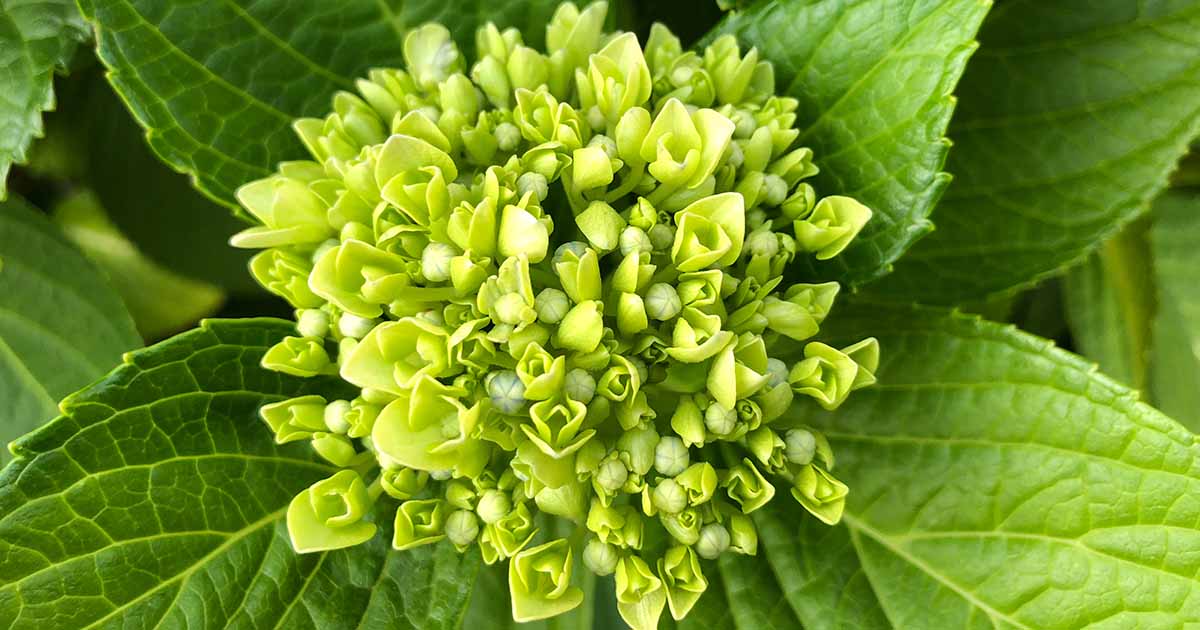
- A single flower of a woody hydrangea, with its petals curling back.
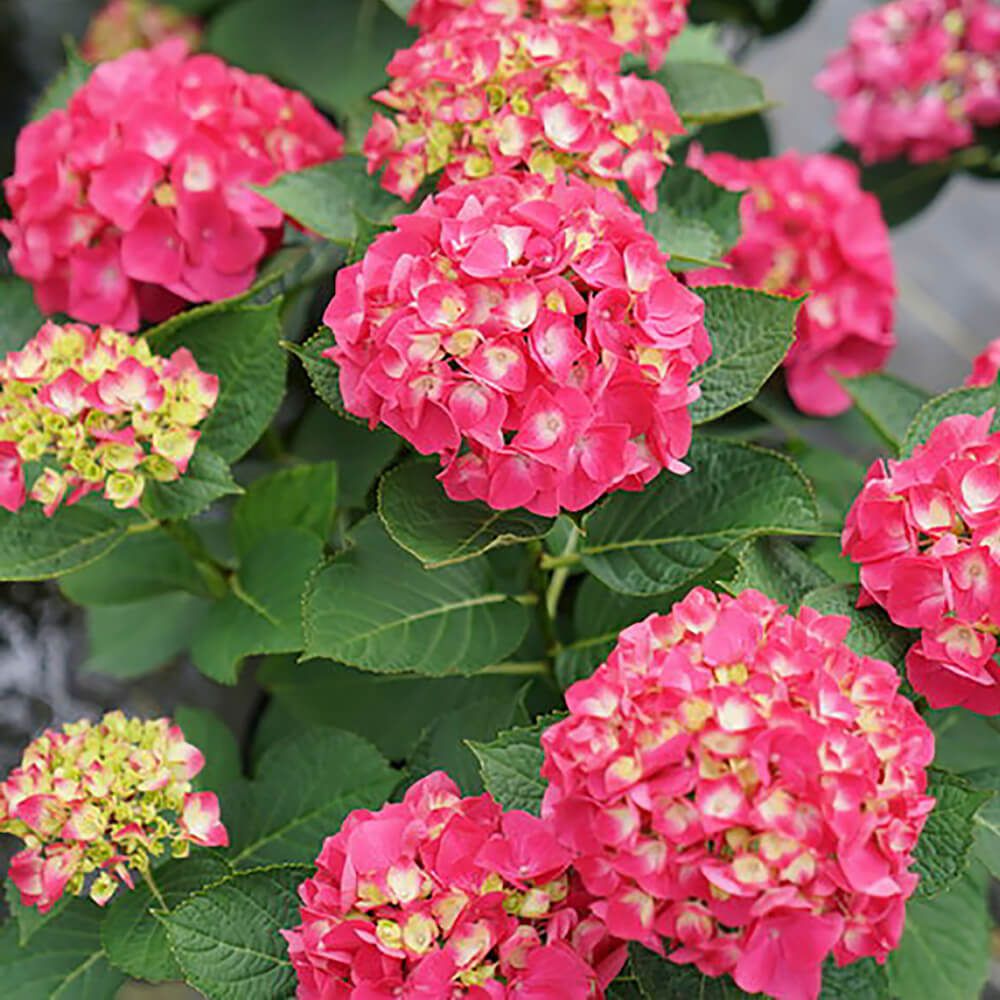
- A group of woody hydrangea shrubs in bloom, with their flowers ranging in color from white to pink to blue.
- A woody hydrangea shrub in fall, with its leaves turning red and orange.


Post a Comment for "When To See New Growth On Your Woody Hydrangeas"